Find condominiums in the United States with a better understanding of what may affect daily life and long-term value. In this market, condo decisions are often shaped not only by the unit but also by dues, association rules, insurance, and shared building costs.
- List Date
- Listing Title
- Last Update
- Comments
- Author
- Rank
- Rate
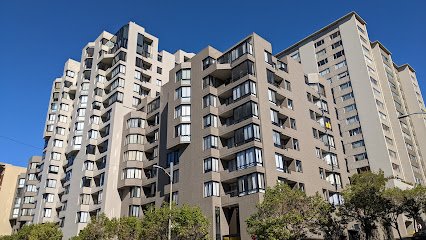
LA Galleria Condo
LA Galleria Condo in San Francisco, California, is a practical option for residents who want a Nob Hill area home ...
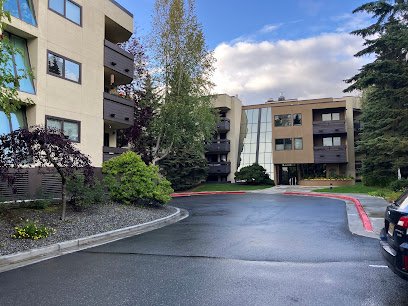
Park Place Condo
Park Place Condo in San Francisco, California, is a strong option for residents who want a better-managed city home with ...
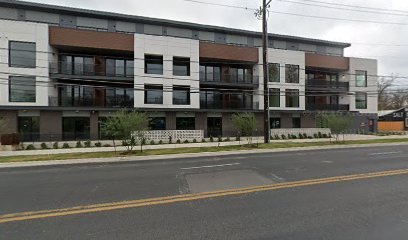
One Oak Condo
One Oak Condo in Austin, Texas, is a strong option for residents who want a more modern South Austin home ...

Arterra Condos Condo
Arterra Condos Condo in San Francisco, California, is a strong option for residents who want a modern Mission Bay home ...

Centra Condo
Centra Condo in New York, New York, is a practical option for residents who want an Upper West Side address ...

Arden Condo
Arden Condo in San Francisco, California, is a practical choice for residents who want a Mission Bay address with direct ...
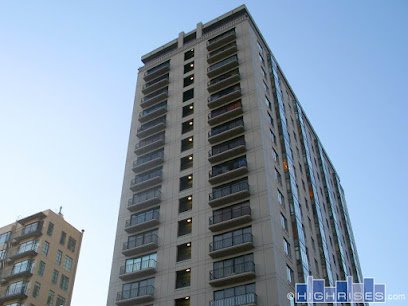
Nob Hill Condo
Nob Hill Condo in San Francisco, California, is a practical option for residents who want a classic Nob Hill address ...

8 Octavia Condos Condo
8 Octavia Condos Condo in San Francisco, California, is a strong option for residents who want Hayes Valley access with ...

Seaholm Residences
Seaholm Residences in Austin, Texas, is a strong option for residents who want a downtown-adjacent home with practical access, stronger ...
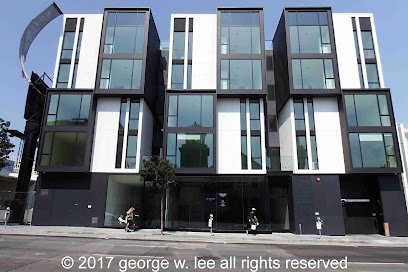
Parker LA Maison Condo
Parker LA Maison Condo in Austin, Texas, is a practical option for residents who want a simpler city home with ...

West Bluff Condo
West Bluff Condo in Anchorage, Alaska, is a strong option for residents who want a home near downtown while still ...
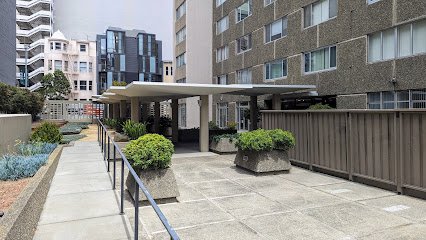
Pine Terrace Condominium Association
Pine Terrace Condominium Association in San Francisco, California, is a practical option for residents who want a Nob Hill home ...

How condominiums in the United States can differ
Condominiums in the United States do not always work the same way from one property to another. Some differences are easy to notice, such as building size, age, location, or shared amenities. Others become clearer only after a closer look. One condo may have lower monthly dues but stricter rules. Another may offer more services, yet come with higher ongoing costs or more financial pressure later.
In many cases, the bigger differences come from the wider project rather than the unit alone. One condominium may have stronger reserves, clearer association rules, and smoother building management. Another may look appealing at first, yet raise questions around maintenance, special assessments, parking, rentals, pets, or insurance. Because of that, two condos with similar prices can still feel very different once the full picture is understood.
That is why people should not compare condos in the United States by photos alone. A better choice is often the one that feels easier to understand, easier to afford over time, and easier to live with in everyday life.
How this page can help you compare condos in the United States
This page is made for people who want a clearer way to look at condominiums in the United States. Some visitors may be buying their first condo. Others may already know the market and want to compare options more carefully. In both cases, it helps to look beyond the unit itself and pay attention to the wider building, the shared costs, and the rules that may affect daily life later.
That is why this page focuses on the questions that often matter most in real condo decisions. It is here to help you compare listings with more context, notice details that may be missed at first, and understand which parts of a condo purchase or search may need a closer look. Instead of relying only on price or photos, you can use this page to build a more complete view before moving forward.
Why HOA dues matter more than many buyers expect
In the United States, many condo buyers focus on the sale price first. However, that is only part of the real monthly cost. Condo or HOA dues are often paid separately from the mortgage, and the CFPB says buyers should factor them in carefully because they can range from a few hundred dollars a month to more than one thousand. That means a condo that looks affordable at first can feel very different once the full monthly cost becomes clear.
This matters even more because dues are not only a side payment. They help support the shared building, common areas, and broader project expenses. So when people compare condos in the U.S., one of the smartest early questions is not only “What is the price?” but also “What are the dues, and what do they actually cover?”
Why special assessments worry condo buyers
A lot of public condo frustration in the U.S. comes from surprise costs, and special assessments are a big part of that. Fannie Mae’s condo review standards show how serious this issue is. Lenders must review project budgets, look at reserve funding, and assess how the project handles capital expenses and deferred maintenance. The same standards also mention special assessments directly, which shows that this is not a small side issue.
For buyers, the concern is simple. A building may look fine on the surface, yet weak reserves or upcoming repair needs can create extra costs later. That is why people often want to know not only whether the condo looks good now, but also whether the building seems financially prepared for what comes next.
Condo rules that can change daily life
In the U.S., condo living often comes with rules that shape everyday life more than many buyers first expect. A unit may look right on paper, yet the building rules may affect pets, rentals, guests, parking, renovations, noise, or short-term stays. Because of that, a condo is not only a private space. It is also part of a governed property structure, and that structure can affect how easy the home feels to live in. This is one reason official condo and lending guidance puts so much attention on project documents and association oversight.
That is why many careful buyers want to understand the rules before they feel comfortable. The unit itself may still be attractive, but if the association rules do not fit the person’s lifestyle, the condo may not be the right choice in practice.
Why condo insurance can be confusing
Insurance is another area where condo buyers in the United States often need clearer explanations. Fannie Mae says condo projects generally require a master property insurance policy covering common elements and residential structures, unless the project documents require individual policies for each unit. Even when the master policy exists, the borrower may still need an individual unit-owner policy as well.
This matters because many buyers assume the building’s policy covers everything, when that is not always true. A condo can seem simple during the search stage, yet the insurance setup may still leave gaps that the buyer needs to understand before closing. So this is one of those topics that feels technical at first, but becomes very practical once a person starts comparing real properties.
When a condo building can create financing problems
In the United States, the unit is not always the only thing that matters to financing. Sometimes the building itself becomes the issue. Fannie Mae’s Condo Status Finder exists to help HOAs, management companies, and authorized advisors check whether Fannie Mae is aware of project conditions that may make a condo project ineligible or create financing hurdles. That means a condo can look attractive on the surface, while the wider project still creates problems in the background.
| Project issue | Why it matters to buyers |
|---|---|
| Weak reserves | The building may not be financially ready for future repairs |
| Special assessments | Buyers may face added costs beyond the sale price |
| Insurance concerns | Lenders may worry if project coverage is not strong enough |
| Deferred maintenance | Building problems can affect safety, value, and loan approval |
| Project ineligibility | Some buyers may face fewer financing options |
This is why buyers should not treat a condo like a simple unit search. Fannie Mae’s project review guidance shows that lenders may look at reserve funding, special assessments, insurance, and deferred maintenance as part of the wider review process. In other words, the building’s condition and financial health can matter almost as much as the condo itself.
What buyers should ask for before they feel comfortable
A careful condo search in the United States usually becomes easier once the buyer asks better questions. Monthly dues, special assessments, reserve strength, insurance setup, project rules, and financing issues all shape the real value of the property. These are the topics that often matter most once people move past the photos and begin thinking seriously about ownership.
So instead of treating a condo like a simple apartment-style listing, it helps to treat it like a shared-property decision. That shift gives people a clearer picture of cost, comfort, and risk before they move forward.
How renting in the United States can work for foreigners
Foreigners can rent in the United States, but the process may feel less predictable than many people expect. In most cases, the challenge is not whether a person is foreign. The challenge is whether the landlord or property manager feels comfortable with the documents, payment history, and identity records provided during the application. Because of that, some foreigners may be asked for a passport, visa or immigration records, proof of income, bank records, a larger deposit, or a co-signer, depending on the building or the landlord.
It also helps to know that rental screening can affect the result. The CFPB and FTC both explain that tenant background checks may influence whether a person is approved, charged more, or asked for different lease terms. If a landlord uses a tenant screening report and takes negative action, federal law requires notice, and the applicant has rights to review and dispute errors. At the same time, the Fair Housing Act protects people from discrimination in housing on grounds such as national origin, race, religion, sex, disability, and familial status. That is why foreigners should focus on clear documents, careful review of screening information, and a full reading of the lease before signing.
Official U.S. references:
A careful point here: this section works best when framed around private-market renting. Federal housing assistance programs have separate eligibility rules tied to citizenship or eligible immigration status, so those program rules should not be mixed into the normal private rental section.
Condominiums in the United States frequently asked questions
Before reaching out or comparing listings more closely, it can help to understand a few basics first. The questions below cover common points users often want to know about verified condominiums in the United States.
What is a condominium in the United States?
In the United States, a condominium usually means you own the unit itself while sharing ownership or use of common areas with others in the building or project. That is why a condo purchase is often about both the unit and the wider property around it.
Why do HOA dues matter so much in a U.S. condo?
HOA or condo dues matter because they are part of the real monthly housing cost, even when they are paid separately from the mortgage. These fees can vary a lot, so they can change how affordable a condo really feels over time.
What is a special assessment in a condominium?
A special assessment is an added cost that a condo association may charge owners when the building needs funding beyond normal dues. Buyers pay attention to this because it can increase the real cost of ownership after the purchase.
Can condo rules affect daily life in the United States?
Yes. Condo rules can shape things like pets, rentals, guests, parking, renovations, and shared-space use. That is why people should look at more than the unit itself before deciding whether a condo fits their daily life.
Can foreigners rent a condo in the United States?
Yes, foreigners can rent in the United States, but landlords may ask for documents such as identity records, income proof, or screening information. Federal law also protects renters from housing discrimination based on factors like national origin.
What rights do renters have during tenant screening?
If a landlord uses a tenant background check and makes a negative decision, the renter has rights under federal law. The FTC explains that people can request their report and dispute mistakes, which is important if wrong information affects the application.


