Explore condominiums in Thailand in one place. This page helps you browse condo listings with a clearer view of what this property type usually includes, what matters before you choose one, and which Thailand rules may affect your next step. For many people, a condominium in Thailand is more than a private unit. It often comes with shared spaces, building rules, and practical details that can shape daily life. Because of that, it helps to compare listings with the local market in mind.
- List Date
- Listing Title
- Last Update
- Comments
- Author
- Rank
- Rate
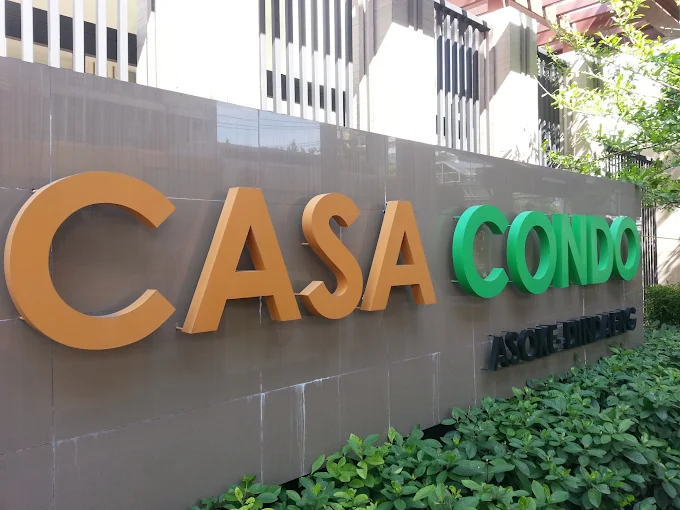
Casa Condo Asoke-Dindaeng
Casa Condo Asoke–Din Daeng can be a good choice for renters or ...
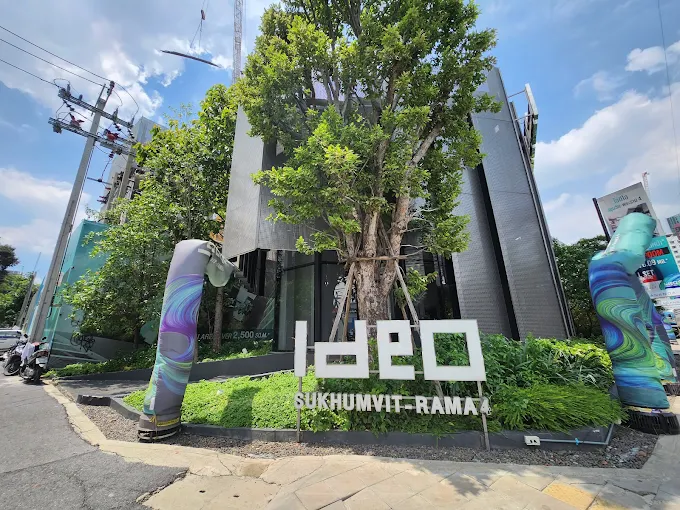
Ideo Sukhumvit Rama 4
Ideo Sukhumvit Rama 4 is a modern Bangkok condominium that stands out ...
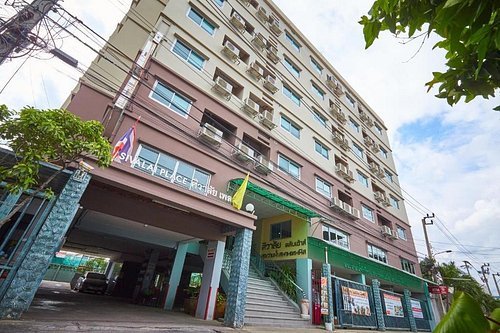
Sivalai Condominium
Sivalai Condominium sits in Wat Tha Phra, Bangkok, and works well for ...
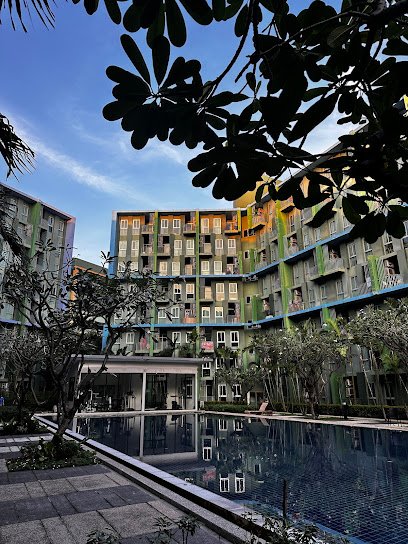
Parc Exo Tower E Condominium
Parc Exo Tower E Condominium is in Ram Inthra, Bangkok, and feels ...
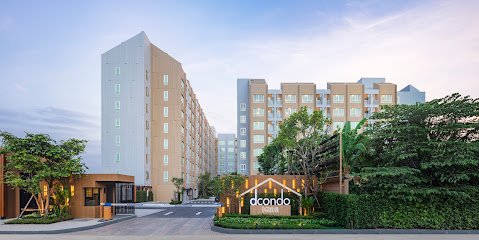
Dcondo Tann Charan Condominium
Dcondo Tann Charan Condominium sits in Bang Khun Si, Bangkok, and works ...
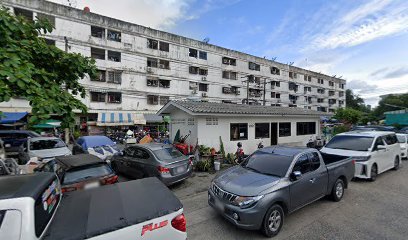
Yenchit Condominium
Yenchit Condominium is in Bang Na Tai, Bangkok, and fits people who ...
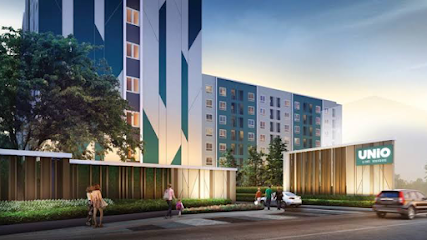
UNIO Charan 3 Condominium Complex
UNIO Charan 3 Condominium sits in Wat Tha Phra, Bangkok, and suits ...
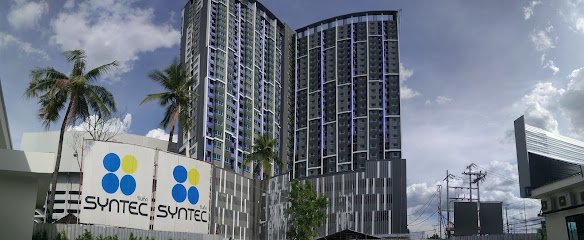
The President Phet Kasem-Bang Khae Condominium Complex
The President Phet Kasem-Bang Khae Condominium sits in Bang Khae Nuea, Bangkok, ...
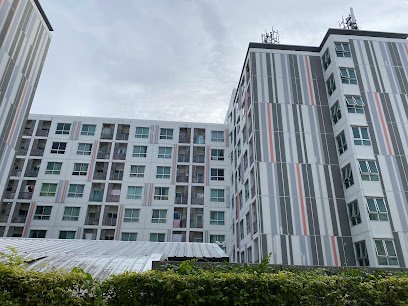
The Niche ID Rama2 Phase 1 Condominium Complex
The Niche ID Rama2 Phase 1 Condominium sits in Bang Mot, Bangkok, ...
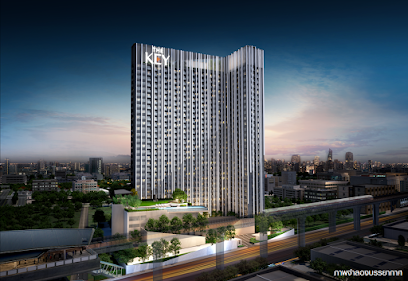
The Key MRT Phetkasem 48 Condominium Complex
The Key MRT Phetkasem 48 Condominium sits in Bang Wa, Bangkok, and ...
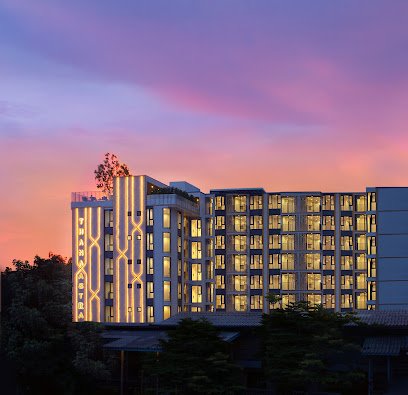
Thana Astra Sathorn-Chan Condominium Complex
Thana Astra Sathorn-Chan Condominium sits in Thung Wat Don, Bangkok, and suits ...
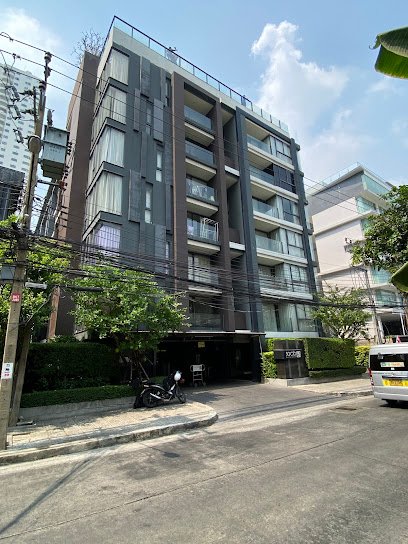
Socio Reference 61 Condominium Complex
Socio Reference 61 Condominium sits in Khlong Tan Nuea, Bangkok, and suits ...
What a condominium in Thailand usually means
In Thailand, the term “condo” is widely used in everyday property language. People usually mean a private unit inside a larger building with shared common areas. These shared parts may include a lobby, lifts, parking, a gym, a pool, garden space, or security features. In many cases, these shared facilities are one reason people choose a condo instead of another housing type.
This also means that Thai condos are not only about the unit itself. The building matters too. A listing may look good at first, but the full value often depends on how the property is managed, how shared spaces are maintained, and whether the building aligns with the kind of life a person wants.
What a good condominium in Thailand should offer
A good condominium in Thailand should be easy to live in, not only easy to market. The location should make sense for daily life, whether a person needs quick access to work, school, transport, or nearby services.
Some of the most important things to look for are:
a practical location
a clean and well-kept building
shared areas that are usable
clear security arrangements
a unit with a comfortable layout
enough light, storage, and easy access
At the same time, the building should be judged as a whole, not only by the unit photos. In Thailand, many people expect shared features to be part of condo living, but the real value depends on how well those spaces are maintained and whether they support everyday use.
That can include:
a pool that looks cared for
a gym that is actually usable
parking that is not confusing
common spaces that stay clean
clear building rules
management that helps things run smoothly
In the end, a good condominium should feel practical, well-managed, and easy to trust before a person moves forward.
Why Thailand condominiums can feel different
Condominiums in Thailand often stand out because the building lifestyle plays a bigger role in the decision. In some countries, the main question is ownership. In Thailand, people also look closely at how the building works in practice. That includes security, shared services, building condition, management quality, and whether the rules are easy to live with.
Because of this, two condos with similar prices can feel very different once you look beyond the unit. One may offer better shared spaces, clearer management, and smoother daily living. The other may look fine online but create more stress later.
What expats and locals should check before renting or buying
Some of the most important checks in Thailand are not about design. They are about records, status, and official reporting.
If a foreigner stays at a residence in Thailand, the house owner, head of household, possessor of the residence, or hotel manager must notify immigration using the residence notification system known as TM30. Thailand Immigration provides an official TM30 system for this purpose.
If a foreigner remains in Thailand for more than 90 days, that foreigner must report their residence every 90 days under the Immigration Act. Thailand Immigration provides an official 90-day reporting service for this.
For people thinking about buying instead of renting, Thailand’s government states that foreigners may own condominium units under the Condominium Act, but the foreign ownership portion in a registered condominium building must not exceed 49%. The government also says purchase funds generally need to be transferred from abroad into Thailand, with bank evidence used in the process.
These rules do not mean every condo choice becomes hard. They simply show why clear paperwork and proper guidance matter before money moves.
Official Thailand resources
Thailand Immigration TM30 system: tm30.immigration.go.th
Thailand Immigration 90-day reporting: immigration.go.th/en?page_id=1666
The Thai government guide on foreign property ownership: thailand.go.th/public/useful-information-detail/010_012
The Thai government guide on foreign condominium ownership: thailand.go.th/issue-focus-detail/010_013
What to check before choosing a condominium in Thailand
Choosing a condominium in Thailand is not only about the unit itself. It also helps to look at the building, the rules, and the practical details that may affect daily life later. Some checks matter more for comfort, while others matter more for legal or admin reasons. That is why it helps to review a condo from more than one angle before moving forward.
| What to check | Why it matters in Thailand | Who should care most |
|---|---|---|
| Building facilities | Pools, gyms, parking, and shared areas often shape daily value | Renters and buyers |
| Building management | A well-run condo usually feels easier to live in | Everyone |
| Building rules | Rules can affect pets, visitors, parking, and shared space use | Everyone |
| Unit condition | Photos may not show wear, damage, or practical issues | Renters and buyers |
| TM30 status | Residence reporting may matter for foreign stays | Expats and landlords |
| 90-day reporting | Some foreign residents may need to report their address status | Expats |
| Foreign ownership quota | Foreign condo ownership has legal limits in registered projects | Foreign buyers |
| Proof of funds | Overseas transfer evidence may be needed when foreigners buy | Foreign buyers |
This does not mean every listing will become difficult to review. It simply shows why a condo in Thailand should be checked from both a lifestyle side and a paperwork side. A building may look attractive at first, yet the better choice is often the one that feels clearer, better managed, and easier to understand from the start.
Why these checks matter in real life
A condominium in Thailand can look strong in a listing and still raise problems later if the details are not clear. Some issues appear in the building rules. Others appear in the payment terms, the reporting steps, or the way the property is managed after move-in.
Because of that, people should not read a condo listing too quickly. It is better to use the listing as a first step, then slow down and review what supports daily life, what affects paperwork, and what may create stress later. This is useful for residents, but it becomes even more important for expats who may be less familiar with the process.
Common extra costs people should ask about early
The price shown on a condominium listing in Thailand is not always the full cost a person should expect. That is why it helps to ask early what else may need to be paid before making a decision. Some costs appear only once at move-in, while others may continue during the stay. If those details are not clear from the start, it becomes harder to compare one condo with another in a fair way.
Common extra costs may include:
security deposit
advance rent
utility bills
parking charges
common area fees
internet setup or service costs
cleaning or maintenance-related payments
move-in fees, if the building applies them
This does not mean every condominium will have many extra costs. Still, asking these questions early can prevent confusion later. A condo may seem affordable at first, yet the real monthly or move-in cost may be higher once the added payments are included.
Red flags to watch when browsing condominiums in Thailand
Some condominium listings in Thailand may look attractive at first and still need a closer review. A low price, a polished photo, or a short description should not be enough to build trust on its own. In many cases, the warning signs appear in what the listing does not explain clearly. A page may show very little about the unit, avoid showing shared spaces, or say almost nothing about fees, rules, or what is included in the offer. When the details feel too thin, it becomes harder to understand the real value of the property.
It also helps to stay careful when the contact details feel incomplete or when the listing seems to push a person forward too quickly without enough clarity. Some descriptions may sound broad but still leave basic questions unanswered. This does not always mean the condominium is a poor option. It simply means the next step should be slower and more careful, with more questions, clearer proof, and a better look at how the property actually works in real life.
Condominiums in Thailand frequently asked questions
Below are some of the questions people often ask when exploring verified condominiums in Thailand. These answers are here to help you understand the page better and move forward with clearer expectations.
What does condominium mean in Thailand?
In Thailand, a condominium usually means a private unit inside a larger building with shared common areas. Many people also use the shorter word condo in everyday property searches and conversations.
What makes a good condominium in Thailand?
A good condominium should offer more than a nice unit. People should also look at the building condition, shared facilities, security, management quality, and whether the location supports daily life.
Do condominiums in Thailand usually include shared facilities?
Many do. In Thailand, condo living is often linked with features such as pools, fitness rooms, parking, lifts, and other shared spaces, though the quality can differ a lot by project.
What should expats know before renting a condo in Thailand?
Expats should check the rental terms, building rules, and whether the address reporting steps have been handled properly. It is also important to understand whether a 90-day immigration report may apply.
What is TM30 in Thailand?
TM30 is the residence notification system used when a foreigner stays at a property in Thailand. The owner, possessor, head of household, or hotel manager is the party that must notify immigration.
Can foreigners buy a condominium in Thailand?
Yes, but there are limits. Thailand’s government states that foreigners may own condominium units, while the foreign ownership portion in a registered condo project must not exceed 49%.


