Browse condominiums in South Korea with a clearer view of how housing works in this market. This page helps you compare condo-style properties while also understanding the local housing terms, rental systems, and practical checks that matter before you move forward.
- List Date
- Listing Title
- Last Update
- Comments
- Author
- Rank
- Rate
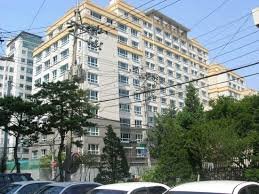
청솔샤르망
청솔샤르망 in Seoul, South Korea, is a practical option for residents who want a simpler local home in Gangseo-gu with ...
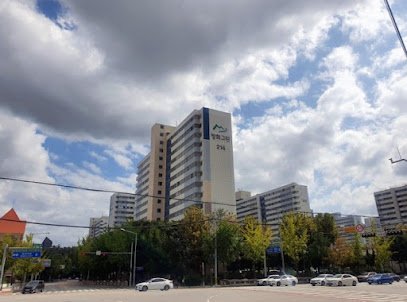
방화그린2단지아파트
방화그린2단지아파트 in Seoul, South Korea, is a practical option for residents who want a Banghwa-dong apartment setting with a more ...

마곡엠밸리12단지아파트
마곡엠밸리12단지아파트 in Seoul, South Korea, is a strong option for residents who want a quieter Magok apartment setting with good ...
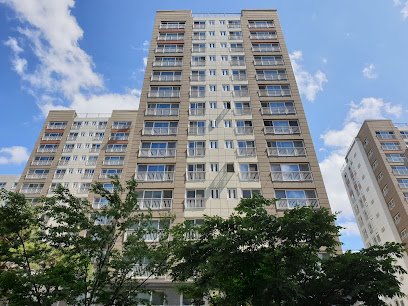
마곡13단지힐스테이트마스터아파트
마곡13단지힐스테이트마스터아파트 in Seoul, South Korea, is a strong option for residents who want a newer Magok home with a quieter ...
방화도시개발5단지아파트
방화도시개발5단지아파트 in Seoul, South Korea, is a practical option for residents who want a Banghwa-dong home with useful daily access ...
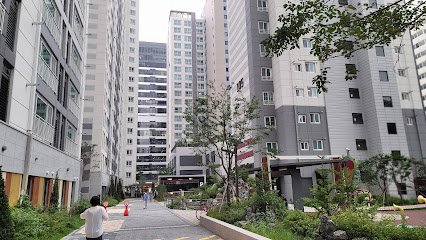
문래롯데캐슬아파트
문래롯데캐슬아파트 in Seoul, South Korea, is a strong option for residents who want a more established Yeongdeungpo-gu home with useful ...
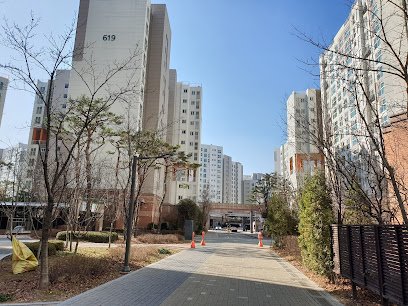
마곡엠밸리6단지아파트
마곡엠밸리6단지아파트 in Seoul, South Korea, is a strong option for residents who want a greener Magok-area home with practical transport ...
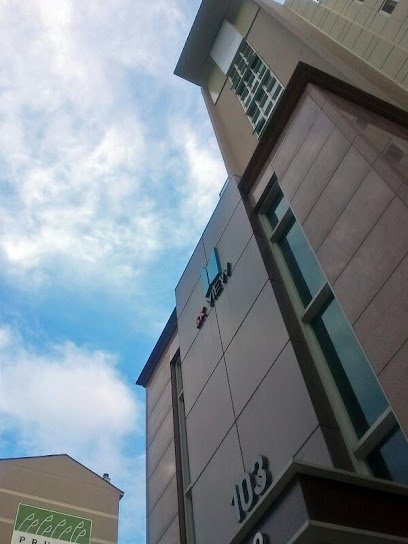
수명산SKVIEW아파트
수명산SKVIEW아파트 in Seoul, South Korea, is a practical option for residents who want a more straightforward residential base in Yangcheon ...
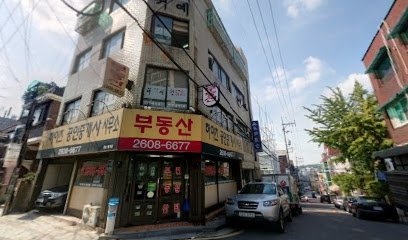
중앙화곡하이츠아파트
중앙화곡하이츠아파트 in Seoul, South Korea, is a practical option for residents who want a Hwagok-dong home with a more local ...
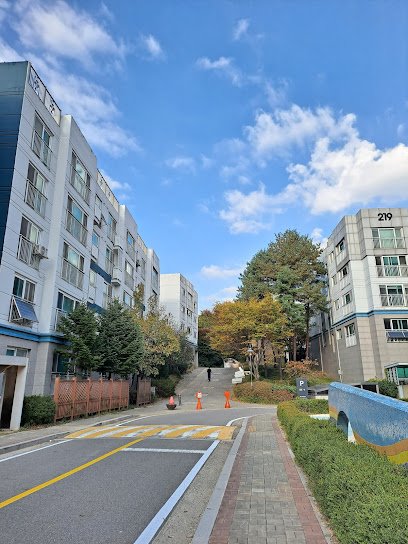
신정이펜하우스2단지아파트
신정이펜하우스2단지아파트 in Seoul, South Korea, is a practical option for residents who want a more structured apartment environment in Yangcheon ...
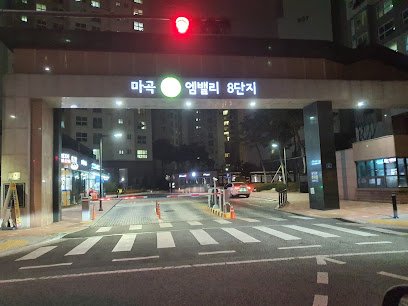
마곡엠밸리8단지아파트
마곡엠밸리8단지아파트 in Seoul, South Korea, is a practical option for residents who want a quieter Magok-area home with good station ...
서울시 강서구 곰달래로238삼성골든빌A동
서울시 강서구 곰달래로238삼성골든빌A동 in Seoul, South Korea, is a lower-profile residential option for people who want a local Gangseo-gu home ...
How condo-style housing is understood in South Korea
In South Korea, the word condominium does not always carry the same everyday meaning it does in some other countries. Many people search and speak more often in terms such as apartment, officetel, or one-room studio. Seoul’s official guide explains that officetels are residence-like office spaces often used as homes, while one-room studios are a smaller and usually lower-rent option often found near universities.
That is why this page should help users look beyond one English label. A property may be called a condo in English-facing content, yet the practical decision often depends on the local housing type, the lease structure, and the building rules around it. In Korea, those details shape daily life more than many people first expect.
Why South Korea condominiums can feel different
A condo-style home in South Korea may feel different because the rental structure itself is different. Seoul’s official housing guide explains that jeonse involves a large deposit for a lease period, while wolse is a monthly-rent model. Jeonse is not just a pricing detail. It changes how people think about risk, affordability, and what they need to prepare before signing.
This means two properties that look similar online can work very differently in real life. One may require a much larger deposit. Another may have a lower deposit but a continuing monthly payment. Because of that, a condo search in South Korea is often less about the photos and more about understanding the lease type clearly before moving ahead.
How this page can help you compare condo-style housing in South Korea
This page is made for people who want a clearer starting point before choosing a condo-style property in South Korea. Some visitors may already know the neighborhood they want. Others may still be learning how Korean rental systems work. In both cases, it helps to compare listings with local housing language and local lease structures in mind.
That is why this page does more than show properties. It also helps users understand what kind of housing they may be looking at, how the payment structure can change the decision, and which admin steps may matter later. That way, the page supports better comparison before a person goes deeper into one property or one city.
What to check before choosing a condo-style property in South Korea
Before moving forward, it helps to check more than the unit itself. In Korea, housing type, lease structure, and reporting requirements can matter just as much as the layout or location.
Key checks before choosing a condo-style home in South Korea
| What to check | Why it matters in South Korea | Who should care most |
|---|---|---|
| Housing type | Apartment, officetel, and one-room options can work differently in practice | Everyone |
| Lease structure | Jeonse and wolse can change the full cost and risk profile | Renters and buyers |
| Deposit amount | A large deposit can shape affordability and exposure | Renters |
| Building management | Shared spaces and upkeep affect daily comfort | Everyone |
| Contract reporting | Lease contracts may need to be reported within 30 days | Renters |
| Address reporting | Foreign residents may need to report residence changes | Foreign residents |
| Local support options | Seoul offers multilingual lease counseling for foreign residents | Foreign residents |
Seoul’s global FAQ says the Housing Lease Contract Reporting System requires the landlord and tenant to jointly report contract details within 30 days of signing. Seoul also announced multilingual lease counseling for international residents to help protect them from jeonse fraud.
Why jeonse and wolse matter so much
In many public conversations about renting in South Korea, this is the first thing people want to understand. Seoul’s official guide says jeonse is a lease where the tenant entrusts the landlord with a large deposit for one to two years, while wolse involves monthly rent. That makes the cash flow and the risk very different from what many renters expect in other countries.
So when users compare condo-style homes in Korea, they should not ask only whether the property looks good. They should also ask whether the lease structure fits their finances, their stay length, and their comfort with a larger deposit. In Korea, that question often matters early.
How renting in South Korea can work for foreigners
Foreigners can rent in South Korea, but the process often depends on paperwork, residence records, and how clearly the lease structure is explained. In many cases, the main issue is not whether a person is foreign. The bigger issue is whether the housing type, deposit system, and reporting steps are understood properly before signing. Seoul’s official housing pages explain the main rental models and housing types used by international residents.
Before moving forward, foreigners should pay attention to:
whether the property is offered under jeonse or wolse
what deposit amount is required
what documents are needed for the lease
whether the address change must be reported
whether the contract details are clear in writing
For longer stays, official reporting can also matter. Seoul’s registration guidance says foreign nationals who intend to stay in Korea for more than 90 days must complete foreign national registration, and a district government English guide says foreign residents should report a change of residence within 14 days, with documents such as a passport, foreign resident registration card, change-of-residence form, and proof of residence like a lease contract.
There is also an important legal point for foreign tenants. Korea’s Easy Law guidance says foreign nationals are not protected under the Housing Lease Protection Act in principle, but they may be exceptionally protected if they complete alien registration and report their change of residence. That is why paperwork matters so much when a foreign renter wants stronger protection around the lease and deposit.
Red flags to watch when browsing condo-style properties in South Korea
Some listings in South Korea may look simple at first and still need a slower review. This is especially true when the listing does not explain the lease structure well, gives weak detail about the deposit, or leaves the housing type unclear. In Korea, these details are not minor. They can change the full meaning of the offer.
It also helps to stay careful when the contract process feels rushed, when the deposit is not explained clearly, or when the steps for reporting and registration are left vague. Seoul’s multilingual lease counseling program itself reflects how serious lease confusion and fraud concerns have become for international residents.
South Korea legal and admin points worth knowing
Some of the most useful checks in South Korea are not about design. They are about lease reporting, residence reporting, and legal protection.
Seoul’s global FAQ says housing lease contracts should be reported within 30 days of signing through the Housing Lease Contract Reporting System. A Seoul district English page says foreign residents should report a change of residence within 14 days and lists the required documents. Easy Law also explains that foreign tenants may gain protection under the Housing Lease Protection Act if they complete alien registration and report their new residence.
For foreigners, this means the contract itself is only part of the process. The reporting steps matter too. They help connect the lease to your formal residence record and can affect how well your position is protected later.
Condominiums in South Korea frequently asked questions
Before reaching out or comparing listings more closely, it can help to understand a few basics first. The questions below cover common points users often want to know about verified condominiums in South Korea.
What does condominium mean in South Korea?
In South Korea, people often use local housing terms such as apartment, officetel, or one-room studio more than condominium. That is why the housing type and lease structure usually matter more than the English label alone.
Why do jeonse and wolse matter so much?
They matter because they change how the rental cost works. Seoul’s official guide explains that jeonse uses a large deposit, while wolse uses monthly rent, so the financial setup can feel very different.
What should foreigners check before renting in South Korea?
Foreigners should check the housing type, the lease structure, the deposit, and whether address reporting or contract reporting steps apply. These details can affect both daily life and legal protection.
Do foreign tenants get legal protection in Korea?
Easy Law says foreign nationals are not protected in principle under the Housing Lease Protection Act, but they may be exceptionally protected if they complete alien registration and report their residence.
Is there any official support for foreigners worried about lease problems?
Yes. Seoul announced lease counseling in seven languages to help international residents deal with lease issues and jeonse-fraud concerns.
Why should people compare more than just the unit photos?
Because in South Korea the bigger issue is often the lease system around the home. A good-looking property can still work very differently depending on the deposit, rent model, and reporting steps.


