Browse verified condominiums in Singapore in one place. This page helps users compare private residential developments with more clarity before moving into a serious rental, buying, or selling conversation.
- List Date
- Listing Title
- Last Update
- Comments
- Author
- Rank
- Rate
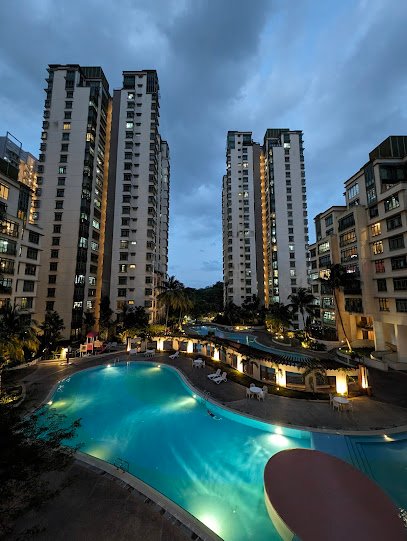
Windermere Condominium
Windermere Condominium in Singapore is a practical choice for residents who want a Choa Chu Kang home with convenient access ...
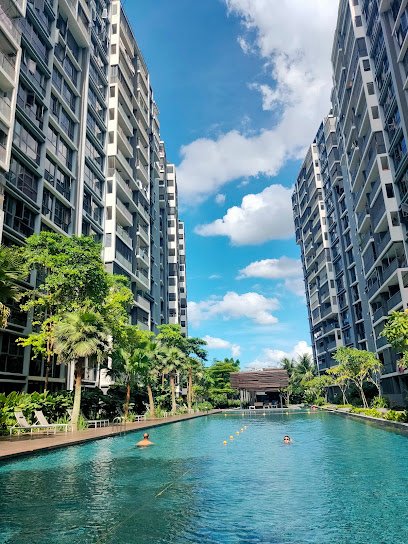
Bellewaters Condominium
Bellewaters Condominium in Singapore is a suitable option for residents who want a Sengkang address with practical access to transport ...
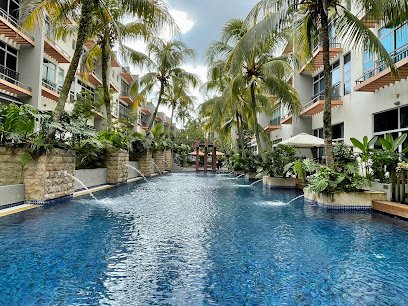
Springhill Condominium
Springhill Condominium in Singapore is a useful option for residents who want a Sembawang home with parking support, family-friendly facilities, ...

Seasons Park
Seasons Park in Singapore is a suitable option for residents who want an Ang Mo Kio side home with a ...
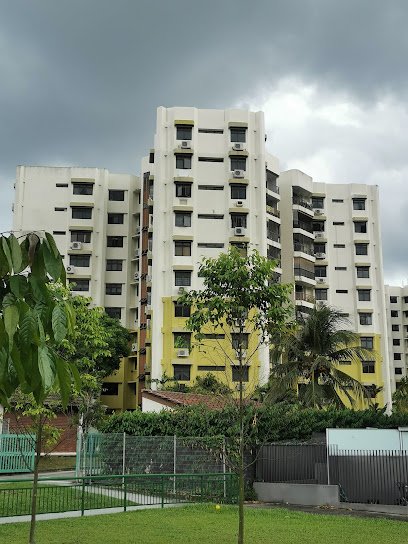
Nim Gardens
Nim Gardens in Singapore is a quieter option for residents who want a Serangoon-side home with a more traditional private ...
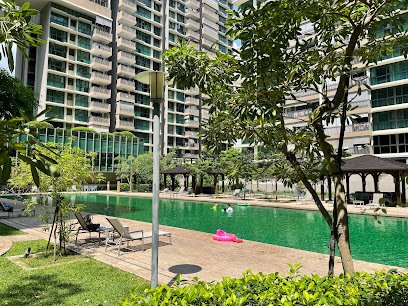
The Topiary Condominium
The Topiary Condominium in Singapore is a practical choice for people who want a Sengkang home with useful access to ...
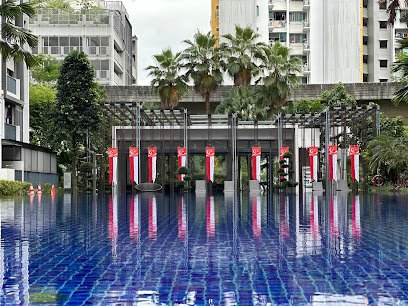
La Fiesta Condominium
La Fiesta Condominium in Singapore is a strong option for residents who want a Sengkang home with direct convenience and ...
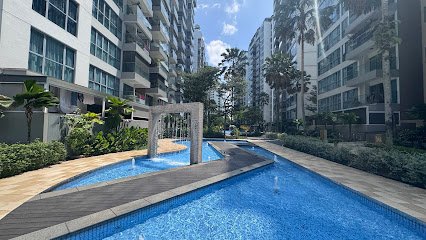
A Treasure Trove Condominium
A Treasure Trove Condominium in Singapore is a strong option for residents who want a Punggol home with direct access ...
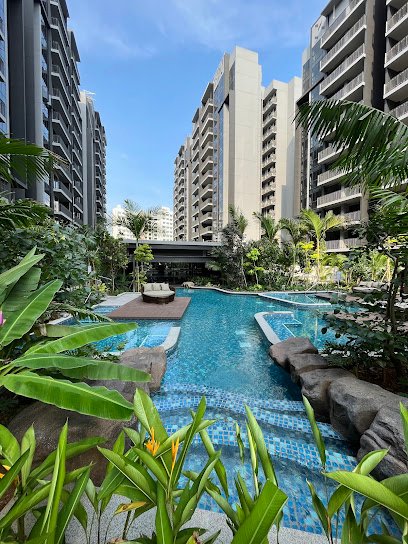
Parc Canberra Condominium
Parc Canberra Condominium in Singapore is a family-friendly option for residents who want a Canberra home with a stronger amenity ...
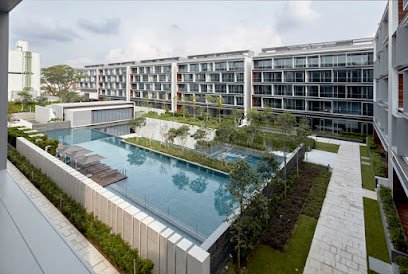
Seletar Park Residence
Seletar Park Residence in Singapore is a good option for residents who want a quieter Serangoon-side home with a more ...
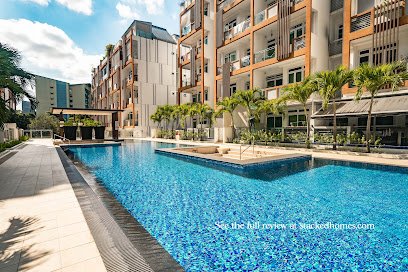
Rosewood Suites
Rosewood Suites in Singapore is a strong option for buyers or renters who want Woodlands convenience with quick access to ...
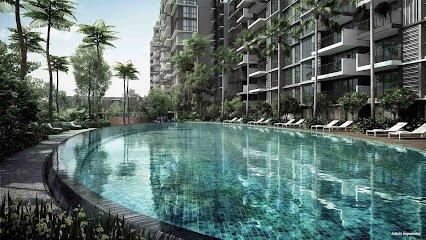
The Visionaire Condominium
The Visionaire Condominium in Singapore is a suitable option for residents who want a Canberra address with practical access to ...
What to check after browsing condominiums in Singapore
Seeing several condominiums in Singapore in one place can make the search easier. Still, the listing itself is only the starting point. The next step is checking whether the development appears to match your practical goals, whether the records behind it are clearer, and whether the property type is being presented in a way that matches Singapore’s actual private-housing framework.
That first check matters because Singapore draws a real line between private residential property and public housing, and the rules, transaction paths, and rental limits are not identical. CEA’s private residential transaction guidance provides dedicated checklists for buyers and sellers, while HDB separately runs its own resale and rental systems for flats.
A strong condominium listing should make the process clearer, not more confusing. It should help users understand the type of development, the practical fit of the location, and the points that may need deeper checking before money or documents enter the discussion. If the listing feels vague around development details, usage, common-property expectations, or transaction logic, that alone is a good reason to slow down and compare more carefully. URA also warns buyers of private residential property to check whether there are unauthorised works or inappropriate uses before taking over the unit.
Why users in Singapore often look for more than condo listings
Many users are not only trying to find a condominium. They are also trying to avoid weak context, unclear building standards, and situations where a project looks attractive at first but raises practical issues later. That is especially relevant in Singapore because condo living is tied to strata ownership, shared facilities, and management structures that continue to matter after a purchase or long rental begins. BCA’s strata-management guides are built specifically to help stakeholders understand MCST responsibilities and expectations under the Building Maintenance and Strata Management Act.
This is why users often want more than polished photos or short descriptions. They want a clearer view of whether the development appears well-positioned for their needs, whether the building context is easier to trust, and whether the condo seems likely to support a smoother ownership or tenancy experience. If the property is part of a strata-titled development, disputes around common property and management are serious enough that Singapore has dedicated Strata Titles Boards to hear related matters.
It also matters because condo users in Singapore are often comparing not only price but lifestyle, private-housing fit, and rental logic. IRAS points users to government e-services for checking private and HDB rental transactions, which shows how important it is to compare developments with more than surface-level marketing language.
How this Singapore condominium page can help you narrow your options
Not every condominium in Singapore is the right fit for every move. Some are better for rental-focused searches. Others are stronger for owner-occupation, family use, central access, or long-term value comparison. So after browsing the list, it helps to narrow your shortlist based on the kind of help or living outcome you actually need.
| Your situation | Better fit to look for | Why it matters |
|---|---|---|
| Renting a condo | Rental-practical development | Easier comparison of private-rental fit, location, and day-to-day use |
| Buying for own stay | Liveability-focused condominium | Stronger fit for facilities, management, and long-term comfort |
| Buying for comparison across districts | Data-supported condo option | Better use of transaction records and local context |
| Comparing private housing against HDB | Clearly private-residential condo | Helps avoid confusion between different housing frameworks |
| Prioritising smoother building experience | Condo with stronger visible management context | Shared-property standards can affect everyday life |
In Singapore, shortlisting by need often works better than choosing only by appearance. That is because the right fit depends on whether the goal is rental, own stay, district comparison, or private-housing selection, and whether the development seems easier to understand in practical terms. Government guidance and transaction tools support this more careful way of comparing private residential property.
Condominium, apartment, private property, and strata living in Singapore
When users browse listings, the words condominium and apartment can sound interchangeable. In Singapore, however, what matters most is whether the property falls within the private residential framework and whether it is part of a strata-managed development. Private residential property follows a different transaction path from HDB flats, and strata developments come with shared common property and management obligations. CEA has a dedicated process page for buying or selling private residential property, while BCA’s strata guides explain the legal and practical expectations tied to shared-estate management.
That difference matters because users should not only ask whether a condo looks attractive. They should also ask whether the development type matches their housing goal and whether the building context seems easier to rely on once ownership, facilities, and common-property rules begin to matter. In Singapore, the MCST structure is not a minor detail. It is part of how many condo developments are actually governed in practice.
So when users compare verified condominiums on this page, it helps to separate two questions: does this development fit my housing goal, and does the condo context look strong enough to support a smoother experience beyond the first viewing?
Choosing a condominium in Singapore with more confidence
A better decision usually starts with simple checks. Look at whether the listing feels complete. Check whether the development is being presented clearly as private residential property. Pay attention to whether the description helps you understand the likely fit, the property type, and the next things worth checking before moving into a serious conversation.
In Singapore, a few of the most useful things to pay attention to are:
whether the unit or development appears to fall clearly within the private residential framework
whether transaction or rental comparisons can be supported by government-linked records
whether the development raises any questions about unauthorised works or property use
whether strata-management context may matter for daily ownership or tenancy experience
These are not small details. They can strongly affect whether a condo feels easier to trust or more difficult to judge as the process moves forward.
It also helps to compare the development against actual records rather than relying only on marketing language. URA’s private-property guidance points buyers to approved plans and checks on unauthorised works, while IRAS links users to rental-transaction data from government agencies, and BCA’s strata resources show why management quality matters after move-in too.
How GoCondo Atlas verifies condominiums in Singapore
We review each condominium profile with a focus on clarity, consistency, and visible trust signals before it appears on GoCondo Atlas. Our process includes checking whether the development is presented as a real private residential property, whether the basic condo context is explained clearly, and whether the listing gives users a more grounded starting point for comparison rather than only promotional language.
We also look at whether the condominium can be connected to stronger public-facing context, such as recognisable development details, location consistency, and a more credible market presence. This does not replace a user’s own final checks through official channels, but it helps create a stronger starting point for safer and more informed comparison.
Official sources users in Singapore should know
If you want one practical section below the listings, this is where the page becomes much more useful.
Use URA’s private-property guidance when you want to understand what should be checked before buying a private residential unit, especially around unauthorised works, approved plans, and property use.
Use CEA’s private residential checklists when you want a clearer view of the transaction process for buying or selling a private residential property in Singapore.
Use IRAS-linked rental transaction tools when you want to compare private and HDB rental patterns using government agency data.
Use BCA’s strata-management guides when you want to understand MCST responsibilities, shared-property expectations, and how condo governance can affect the living experience.
Use Strata Titles Boards if a serious strata-related dispute arises in a strata-titled development.
Verified condominiums in Singapore frequently asked questions
Choosing between condominiums in Singapore can raise a few practical questions, especially when users want more clarity before comparing options, shortlisting developments, or moving closer to a real property decision. These answers cover some of the most common things people may want to understand first, so the next step feels clearer and easier to judge.
How does GoCondo Atlas help users compare condominiums in Singapore?
GoCondo Atlas brings condominium profiles into one place, so users can compare private residential developments more clearly and begin with better context before moving into a serious rental, buying, or selling conversation.
Does GoCondo Atlas sell condominiums in Singapore?
No. This page is designed to help users browse and compare verified condominiums more clearly. Users should still carry out their own final checks through the relevant official sources before proceeding.
Why does GoCondo Atlas focus on condo checks in Singapore?
Because condo decisions in Singapore are shaped by more than photos or pricing. Private-property rules, building context, strata management, and transaction records can all affect how safe and practical the next step feels.
What should I check before choosing a condominium in Singapore?
Check whether the development fits your goal, whether the private-property context is clear, whether records support the comparison, and whether any building or management concerns deserve closer attention.
Why does strata management matter when comparing condos in Singapore?
Because condominium living usually involves shared common property and an MCST structure, so management quality and common-property standards can affect the ownership or living experience long after the first viewing.
Why should users compare condos with more than listing language?
Because government tools and official guidance show that transaction records, rental data, approved plans, and building context can reveal much more than surface-level marketing alone.


