
Browse condominiums in the Philippines in one place. This page helps you explore condo listings with a clearer view of what this property type usually includes, what to check before choosing one, and which official rules may matter for locals and foreign residents.
- List Date
- Listing Title
- Last Update
- Comments
- Author
- Rank
- Rate
Ultimate Antivirus Condominium
Ultimate Antivirus Condominium in Puerto Princesa, Philippines, is a residential option that may suit people who want a quieter city-side ...

Elev Homes Baguio Condominium
Elev Homes Baguio Condominium in Baguio, Philippines, is a residential option that may suit people who want a quieter city-side ...
The Tower Condominium
The Tower Condominium in Baguio, Philippines, is a residential option that may suit people who want a Gibraltar Road address ...
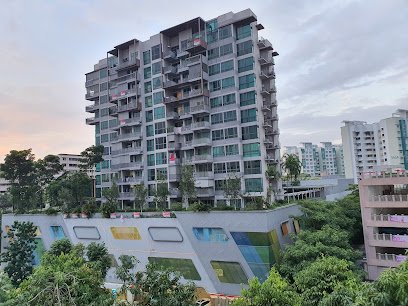
The Mist Residences
The Mist Residences in Baguio, Philippines, is a practical option for residents who want a Bakakeng Central address with parking ...
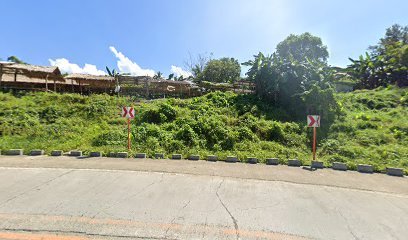
Culandanum Bataraza Palawan Condominium
Culandanum Bataraza Palawan Condominium in Palawan, Philippines, is a property that may suit residents who want a quieter home base ...
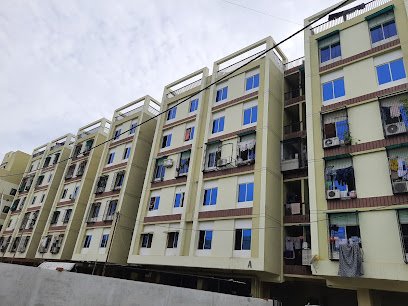
Paya Island Relax ‘n Exersize Condominium
Paya Island Relax 'n Exersize Condominium in Palawan, Philippines, is a property that may suit residents who want a quieter ...
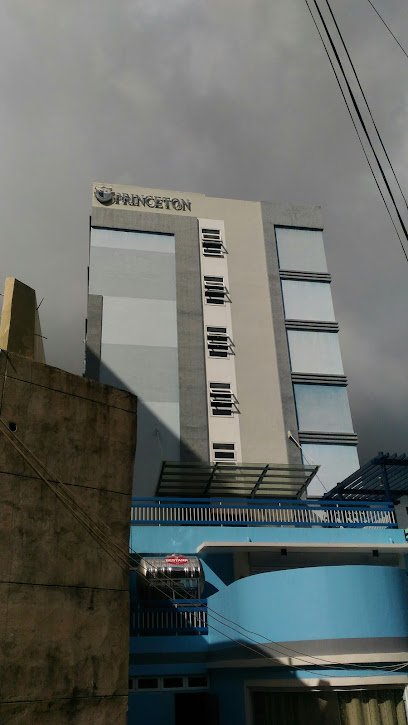
Princeton Condominium
Princeton Condominium in Baguio, Philippines, is a practical option for residents who want a city property with parking and wheelchair-friendly ...
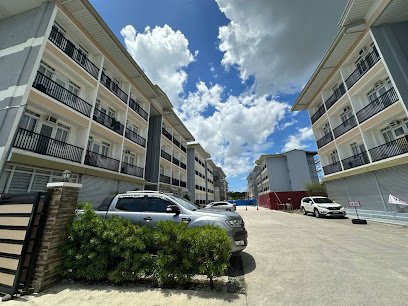
Bayani Hall Central Urdaneta Condominium
Bayani Hall Central Urdaneta Condominium in Urdaneta City, Philippines, is a practical option for residents who want a city property ...
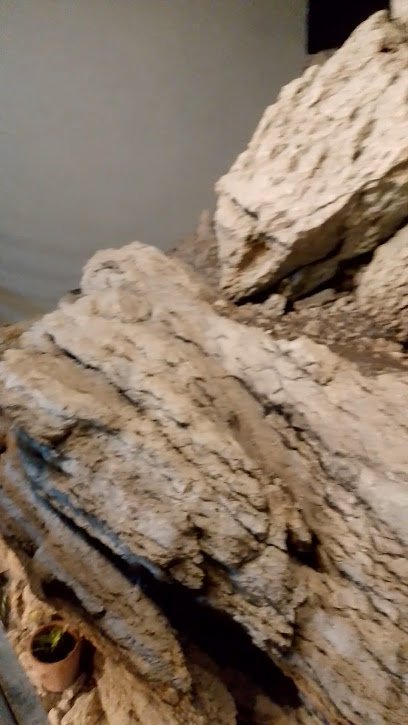
Loft Manors Condominium Baguio City
Loft Manors Condominium Baguio City in Baguio, Philippines, is a residential option that may suit people who want a Leonila ...

Temoteo Condominium
Temoteo Condominium in Palawan, Philippines, is a practical option for residents who want a property along Puerto Princesa South Road ...

Don Jaime’s Residence
Don Jaime's Residence in Puerto Princesa, Philippines, is a residential option that may appeal to people who want a quieter ...
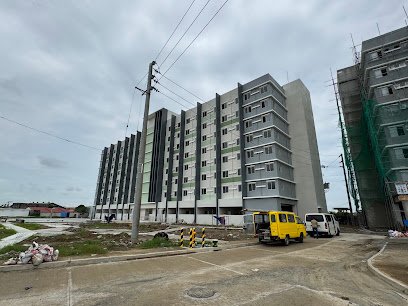
Futura One Fora Dagupan By Filinvest Condominium
Futura One Fora Dagupan By Filinvest Condominium in Dagupan, Philippines, is a practical option for residents who want a city ...
What a condominium in the Philippines are actually like
In the Philippines, a condominium is a private unit inside a larger residential project. Along with the unit itself, condo living also involves common areas shared across the project. Under the Condominium Act, these common areas cover the rest of the project outside the separately owned units. That is why a condo should never be judged by the unit alone. The building, the shared spaces, and the way the project is managed all shape the real experience.
In everyday property language, many people simply say condo. For many renters and buyers, the term often brings to mind city living, vertical housing, security features, and shared amenities. Even so, one condo can feel very different from another depending on location, upkeep, layout, and management quality.
What a good condominium in the Philippines should offer
Also, a good condominium in the Philippines should support daily life clearly and practically. The location should make sense for work, transport, school, or nearby services. The building should look cared for. Shared spaces should be clean and usable. The unit should also feel comfortable to live in, with a layout that makes daily routines easier.
At the same time, the wider project matters as much as the private space. If the shared areas are poorly maintained, if rules are unclear, or if the property feels hard to understand, the unit may lose value in real life. Because of that, a good condo is usually one that feels easier to trust, easier to use, and easier to compare with confidence.
What to check before choosing a condominium in the Philippines
Moreover, before moving forward, it helps to review more than the photos and the price. A condo listing may look attractive at first, yet the better choice is often the one that feels clearer from the start. Building condition, security, management, and paperwork can all shape the experience later.
| What to check | Why it matters in the Philippines | Who should care most |
|---|---|---|
| Building facilities | Shared spaces often shape daily comfort and value | Renters and buyers |
| Building management | A well-run project is usually easier to live in | Everyone |
| Building rules | Rules may affect guests, pets, parking, and amenity use | Everyone |
| Unit condition | Photos may not show wear, damage, or practical limits | Renters and buyers |
| Project registration | Buyers should avoid projects without proper registration and a license to sell | Buyers |
| Foreign ownership limit | Foreign ownership in a condo project is capped at 40% | Foreign buyers |
| Immigration compliance | Some foreign residents may need to track BI reporting duties | Expats |
DHSUD has publicly warned buyers against housing projects that do not have the required License to Sell and Certificate of Registration. For that reason alone, official project status is worth checking before anyone takes a serious next step.
Why these checks matter in real life
A condominium in the Philippines can look strong online and still create confusion later if the practical details are weak. Some issues show up in the building rules. Others appear in the shared spaces, the project papers, or the way the property is managed after move-in.
That is why this page works best as a starting point. It helps people compare condominiums more clearly before they go deeper into a specific unit, building, or city. This matters for local residents, and it also matters for expats who may be less familiar with how the market and the paperwork work in practice.
Common extra costs people should ask about early
The listing price is not always the full picture. Before moving forward, it helps to ask what other payments may apply to the property or the stay. Some costs may appear before move-in, while others may continue every month. If those details stay unclear, it becomes harder to compare one condo with another in a fair way.
In practice, people often ask about deposits, advance payments, utility bills, association dues or common charges, parking costs, internet setup, move-in fees, and other building-related charges. This does not mean every condominium will carry many added costs. Still, asking early helps reduce confusion and makes it easier to judge the real monthly or move-in budget.
Red flags to watch when browsing condominiums in the Philippines
Some condominium listings may look polished at first and still deserve a slower review. A low price or a neat photo should not be enough to build trust on its own. In many cases, the warning signs appear in what the listing does not explain clearly. A page may show very little about the unit, avoid showing shared spaces, or say almost nothing about fees, building rules, or what is included.
It also helps to stay careful when the project status is unclear or when the seller or agent cannot explain the development properly. DHSUD has specifically warned the public against projects being marketed without the required License to Sell. That does not mean every weak listing is unsafe, but it does mean the next step should involve more questions, better proof, and a clearer review of the project itself
Philippines legal and admin points worth knowing
That said, you should also keep a keen eye on legal aspects in the Philippines. Things like legal limits, project status, and official admin duties.
For buyers, the Condominium Act and official government investment guidance say foreigners may own condominium units, but foreign ownership in the project must stay within the 40% cap.
For project safety and compliance, DHSUD says buyers should check whether a subdivision or condominium project has a Certificate of Registration and a License to Sell. DHSUD has also warned the public not to buy from projects without those requirements.
For foreign residents, the Bureau of Immigration states that registered foreign nationals holding immigrant and non-immigrant visas are subject to Annual Report requirements, and the 2026 BI advisory explains the documents needed and notes that non-compliance may lead to fines or prosecution.
Official Philippines resources
Bureau of Immigration: immigration.gov.ph
2026 BI Annual Report advisory: immigration.gov.ph/bi-reminds-foreign-nationals-of-2026-annual-report-requirement
Condominium Act: lawphil.net/statutes/repacts/ra1966/ra_4726_1966.html
DHSUD legal FAQs: dhsud.gov.ph/p-d-no-957-legal-faqs
DHSUD warning on License to Sell: dhsud.gov.ph/news/dhsud-warns-public-vs-housing-projects-without-license-to-sell
Condominiums in the Philippines frequently asked questions
People often want a little more clarity before comparing condominiums in the Philippines. The questions below cover common points that can help you use this page more easily and with better context.
What does condominium mean in the Philippines?
In the Philippines, a condominium usually means a privately owned unit inside a larger project with common areas shared across the development. The law defines both the unit and the common areas as part of the condo structure.
What makes a good condominium in the Philippines?
A good condominium should offer a practical location, a well-kept building, clear management, usable shared spaces, and a unit that supports daily life simply and comfortably.
Can foreigners buy a condominium in the Philippines?
Yes, but there is a limit. Official Philippine sources say foreigners may own condo units, while foreign ownership in the whole condominium project must not exceed 40%.
What should buyers check before choosing a condo project?
Buyers should review the building, the shared spaces, the rules, and the paperwork. DHSUD also says people should check if the project has a Certificate of Registration and License to Sell.
Why do shared areas matter in a condominium?
Shared areas shape how the project works in daily life. Under the Condominium Act, common areas are part of the condo setup, so building upkeep and shared space quality matter as much as the private unit.
What should expats know before renting or staying long term?
Foreign residents should understand that immigration compliance may still matter during their stay. The Bureau of Immigration requires annual reporting for registered foreign nationals holding covered visas.


