
Browse condominiums in India with a clearer view of how apartment-style living works across different cities and buildings. This page helps you compare listings while also understanding the practical details that often matter most in India, including rental paperwork, building rules, local verification steps, and useful checks for both locals and foreign residents.
- List Date
- Listing Title
- Last Update
- Comments
- Author
- Rank
- Rate
Dpo Kishtwar Condominium
Dpo Kishtwar Condominium in Kishtwar, India, is a lower-profile property that may suit people who want a quieter hillside address ...

Redstone Oaks Condominium
Redstone Oaks in Siolim, India, is a strong option for residents who want a gated Goa home with a calmer ...
Jully Apartments
Jully Apartments in Ahmedabad, India, is a practical option for residents who want a quieter home in Girdhar Nagar while ...

Sunrise Complex Condominium
Sunrise Complex in Ahmedabad, India, is a practical option for residents who want a city-side address with useful access to ...
Gulmohar Complex Condominium
Gulmohar Complex in Indore, India, is a practical option for residents who want a more settled residential address with useful ...

Nilamber Bellissimo 1 Condominium
Nilamber Bellissimo 1 Condominium in Vadodara, India, is a strong option for residents who want a more residential Bhayli address ...
Raheja Vistas Elite Condominium
Raheja Vistas Elite in Hyderabad, India, is a strong option for residents who want a larger gated home base with ...
Utsav Complex Condominium
Utsav Complex in Ahmedabad, India, is a practical option for residents who want a lively local address with useful access ...
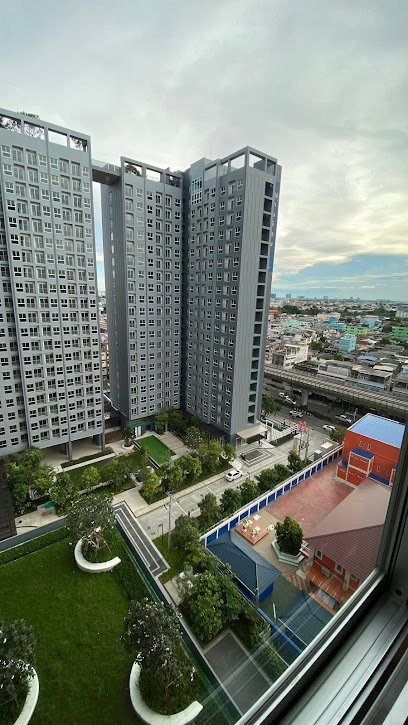
Devashri Pinto Ville Condominium
Devashri Pinto Ville in Porvorim, India, is a strong option for residents who want a larger Goa housing complex with ...
Budholiya Complex Condominium
Budholiya Complex Condominium in Guna, India, is a simple residential property that may suit people who want a local home ...
Rishi Kuteer Apartment
Rishi Kuteer Apartment in Ahmedabad, India, is a practical option for residents who want a more local home base with ...
Swami Complex Condominium
Swami Complex in Indore, India, is a practical option for people who want a local address with useful access to ...

Why condo-style housing in India can feel different
In India, the everyday housing language often leans more toward flat or apartment than condominium. Even so, the idea behind many condo-style properties is familiar: a private residential unit inside a larger project with shared spaces, shared maintenance needs, and building-level management. Apartment ownership laws in India, such as the Delhi Apartment Ownership Act, also reflect this structure through private apartment ownership and common areas tied to an owners’ association.
That is why people should not read the page only through one word. In India, the more useful question is often how the building works in practice. The unit matters, but so do the shared spaces, the association or society, the rental agreement, and the local rules around occupancy and tenant records.
How this page can help you compare properties in India
This page is made for people who want a clearer starting point before choosing a condo-style home in India. Some visitors may be looking for a flat to rent. Others may be comparing apartment-style properties for longer stays or future purchase decisions. In both cases, it helps to look beyond the unit photos and understand the wider building, the local paperwork, and the basic checks that support a smoother move.
That is why this page focuses on details that matter in real life. It is here to help you compare listings with more context, notice issues that may be missed early, and understand which legal or admin steps may apply later.
What to check before choosing a condo-style property in India
Before moving forward, it helps to review more than the listing itself. In India, the practical side of renting or occupying a property can matter as much as the layout or price.
| What to check | Why it matters in India | Who should care most |
|---|---|---|
| Building type | Flats, apartments, and condo-style projects may be described differently | Everyone |
| Rental agreement | Written lease terms help define rights, rent, and stay period | Renters |
| Building or society rules | Visitor access, parking, pets, and common area use can differ | Everyone |
| Unit condition | Photos may not show repair issues or daily-use problems | Renters and buyers |
| Tenant verification | Some localities or police systems may expect tenant details to be recorded | Renters and landlords |
| FRRO registration | Some foreign nationals must register depending on visa and stay length | Foreign residents |
| Residence proof | Rental paperwork may be needed for official processes | Foreign residents |
A table like this helps because in India the real decision is often not only about the home itself. It is also about whether the paperwork is clear, whether the building works smoothly, and whether local requirements have been handled properly.
How renting in India can work for foreigners
Foreigners can rent in India, but longer stays often come with more paperwork than many first expect. The Ministry of External Affairs says registration is essential for foreigners holding visas longer than six months, except for exempt categories, and that it should be completed within 14 days of first arrival at the nearest FRRO or FRO. The government checklist also shows that people in rented accommodation may need to provide a copy of the lease or license agreement as residence proof.
Before moving forward, foreign renters should pay attention to:
whether the lease is written clearly
whether the landlord can provide the documents needed for residence proof
whether FRRO or visa-related registration rules apply
whether the property or local area expects tenant details to be reported
whether the address and names in the lease match the official documents
There is also a practical accommodation-reporting point worth knowing. The government’s FRRO portal states that accommodators, hotels, and educational institutes are legally obliged to file Form C for foreigners, and the same portal has registration for individual houses as well. That does not mean every foreign tenant handles the same process personally, but it does show why address records and landlord clarity matter.
Why rental paperwork matters so much in India
In India, paperwork often becomes the real turning point in the rental process. A unit may look suitable, and the listing may seem simple, yet the practical side depends on whether the agreement is clear and whether the stay can be documented properly. The Model Tenancy Act was designed to support written agreements and clearer landlord-tenant rules, which shows how central rental documentation is to the broader policy direction.
That is why renters should not treat the agreement as a small formality. A strong rental setup is usually one where the lease terms are easy to understand, the identity of the landlord or owner is clear, and the property can be used as valid residence proof where needed.
Red flags to watch when browsing condo-style properties in India
Some listings in India may look attractive at first and still need a slower review. In many cases, the warning signs appear in what the listing does not explain clearly. A page may show too little about the building, say very little about the agreement, or leave basic questions unanswered about who manages the property and what rules apply after move-in.
It also helps to stay careful when the landlord or agent cannot explain the paperwork clearly, avoids discussing tenant verification, or seems unsure about what a foreign renter may need for residence proof. A weak listing does not always mean the property is a bad option. It simply means the next step should involve clearer questions, better proof, and a closer look at how the property works in practice.
India legal and admin points worth knowing
In the United States, the unit is not always the only thing that matters to financing. Sometimes the building itself becomes the issue. Fannie Mae’s Condo Status Finder exists to help HOAs, management companies, and authorized advisors check whether Fannie Mae is aware of project conditions that may make a condo project ineligible or create financing hurdles. That means a condo can look attractive on the surface, while the wider project still creates problems in the background.
| Project issue | Why it matters to buyers |
|---|---|
| Weak reserves | The building may not be financially ready for future repairs |
| Special assessments | Buyers may face added costs beyond the sale price |
| Insurance concerns | Lenders may worry if project coverage is not strong enough |
| Deferred maintenance | Building problems can affect safety, value, and loan approval |
| Project ineligibility | Some buyers may face fewer financing options |
This is why buyers should not treat a condo like a simple unit search. Fannie Mae’s project review guidance shows that lenders may look at reserve funding, special assessments, insurance, and deferred maintenance as part of the wider review process. In other words, the building’s condition and financial health can matter almost as much as the condo itself.
How renting in the United States can work for foreigners
In India, the real issue often starts at the paperwork stage, not at the listing stage. A property may look suitable, but the next step depends on whether the lease, address details, and identity records are clear enough to support the stay. The Government of India says registration is essential for foreigners with visas longer than six months and should usually be completed within 14 days of arrival. It also requires details of residence in India, which is why housing documents matter early.
That matters even more for renters because official support-document guidance says that, in rented accommodation, a copy of the lease and license agreement may be required as residence proof. India’s Model Tenancy Act also treats the tenancy agreement as the core record of the rental relationship. In some places, local verification can matter too. For example, Maharashtra Police’s tenant form asks whether information was given to the police station and lists documents such as a passport, visa page, residential permit, and address proof, including a leave-and-license agreement.
Condominiums in India frequently asked questions
Before reaching out or comparing listings more closely, it can help to understand a few basics first. The questions below cover common points users often want to know about verified condominiums in India.
What does condominium mean in India?
In India, many people speak more often about flats or apartments than condominiums. In practice, condo-style housing usually means a private residential unit inside a larger building or project with shared common areas and building-level management.
Why does paperwork matter so much when renting in India?
Paperwork matters because the rental agreement often supports the legal terms of the stay and may also be needed as residence proof for official processes. Government guidance for FRRO services specifically refers to lease documents in rented accommodation.
Can foreigners rent a condo-style home in India?
Yes, foreigners can rent in India, but longer stays may involve extra documentation and registration steps. The Government of India says many foreigners with visas over six months must register with FRRO or FRO within 14 days, unless exempt.
What should foreign renters check before signing?
Foreign renters should check the lease terms, the landlord’s clarity, the address details, and whether the rental documents can support residence proof or FRRO-related steps if needed.
Are tenant verification steps common in India?
They can be. Local practices may differ, but official police tenant-information forms in places like Maharashtra show that tenant verification can be part of the real process, including details for foreign occupants.
Is one national rental rule used everywhere in India?
Not exactly. The Model Tenancy Act provides a national model, but implementation depends on the state or union territory, so local rules and practice can still vary.


